
Blog
Notes on spec workflow, agentic coding, and collaboration patterns.

Robert Douglass presented spec-driven development at FrOSCon 2026 as a structured approach for safely adopting AI coding agents across legacy systems, complex codebases, and regulated environments.
spec-kitty-analyzer v0.3.0 adds build provenance, anomaly triage, governance activity reporting, and release-note enforcement to improve visibility into AI-assisted development.
Robert Douglass and Emanuel Rose attended Ai4 2026 in Las Vegas to support market conversations around AI-assisted software development, governance, and client acquisition.
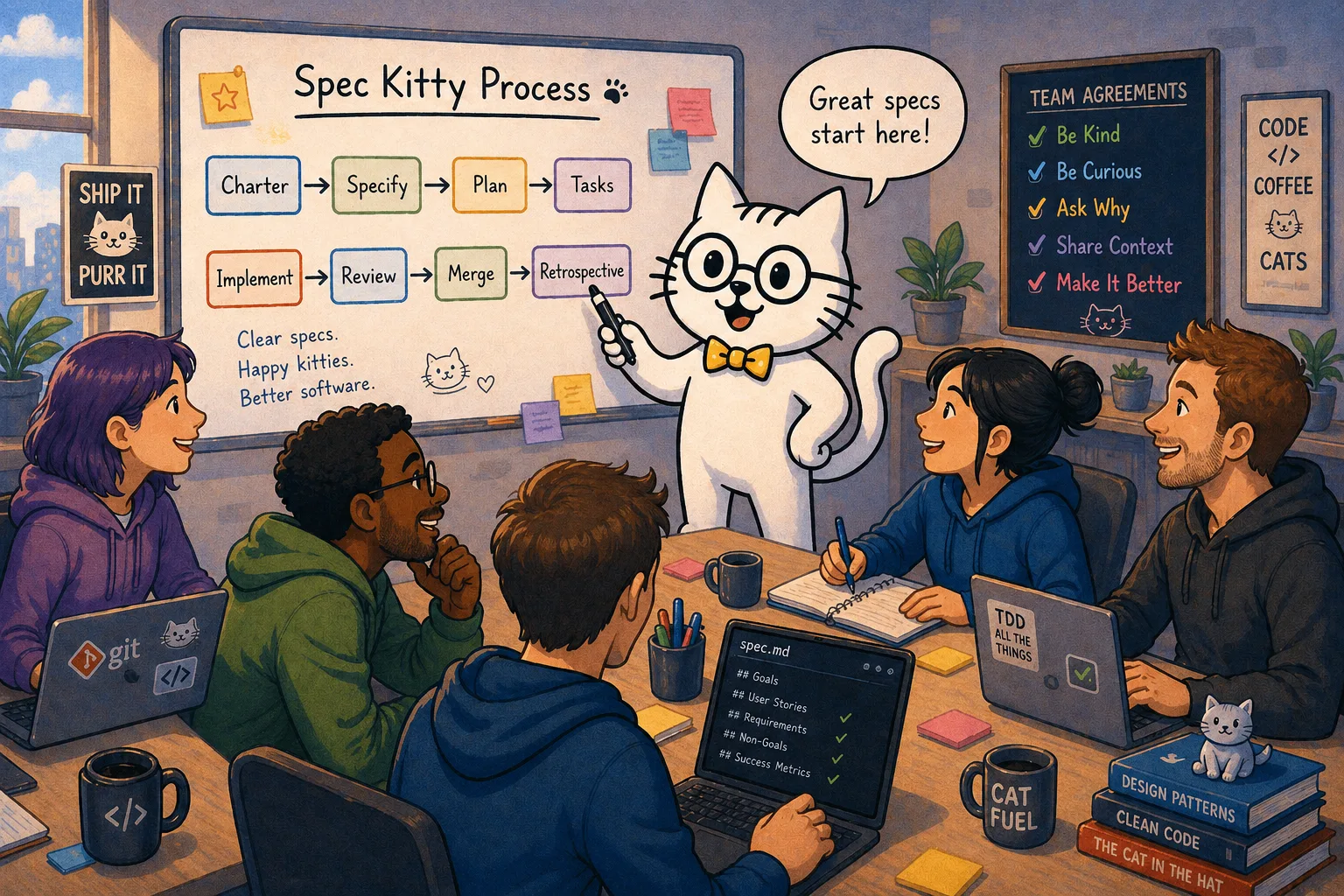
An honest comparison of GitHub Spec Kit and Spec Kitty, and why team-scale AI development needs governed mission state, parallel agent coordination, and audit-ready evidence.
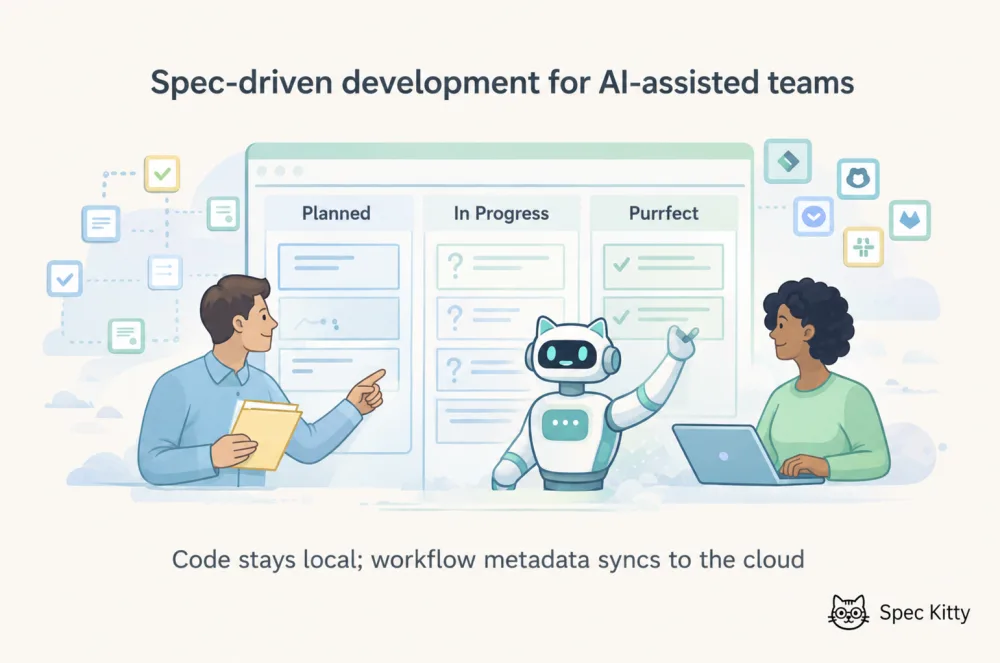
The best AI development teams won't be the ones with the fastest models. They'll be the ones with the clearest intent, the best memory, and the tightest governance.

The next generation after agent skills is doctrine: a version-controlled, enforceable operating framework that helps AI agents work like members of the same organization.
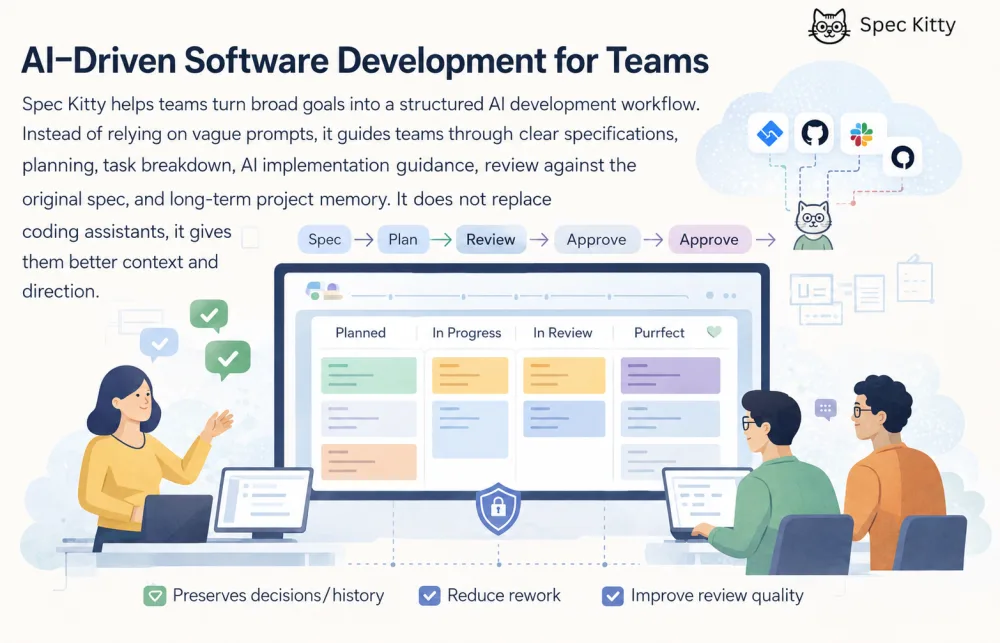
From intent to spec to reviewable work packages to lasting project memory—a concrete, six-step walkthrough of what a Spec Kitty mission looks like start to finish.
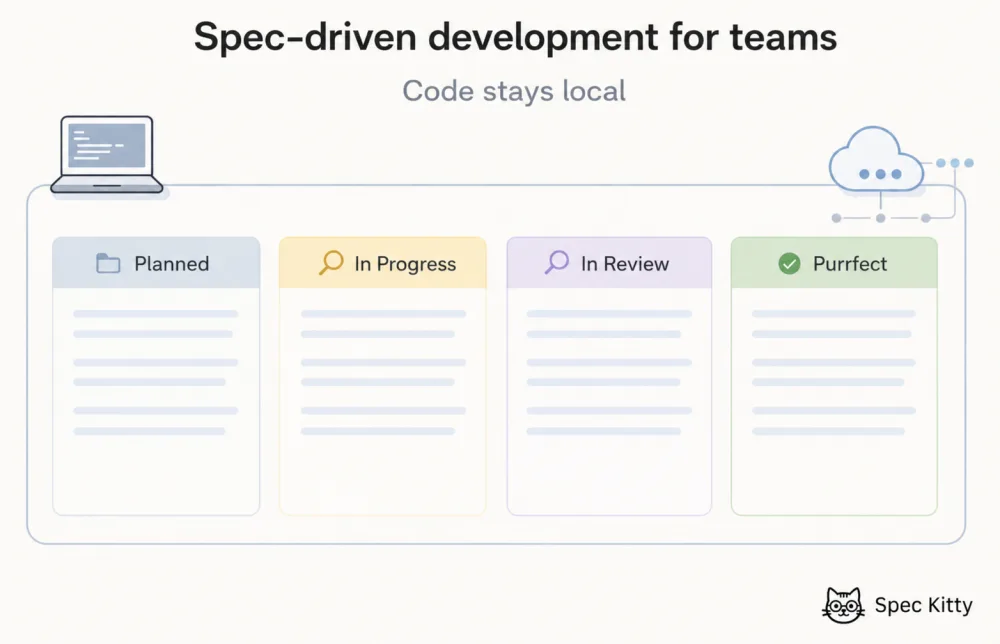
Prompt engineering can polish a single output, but it can't replace decision trails, review paths, and audit trails. Here's what a genuinely reviewable AI workflow requires.
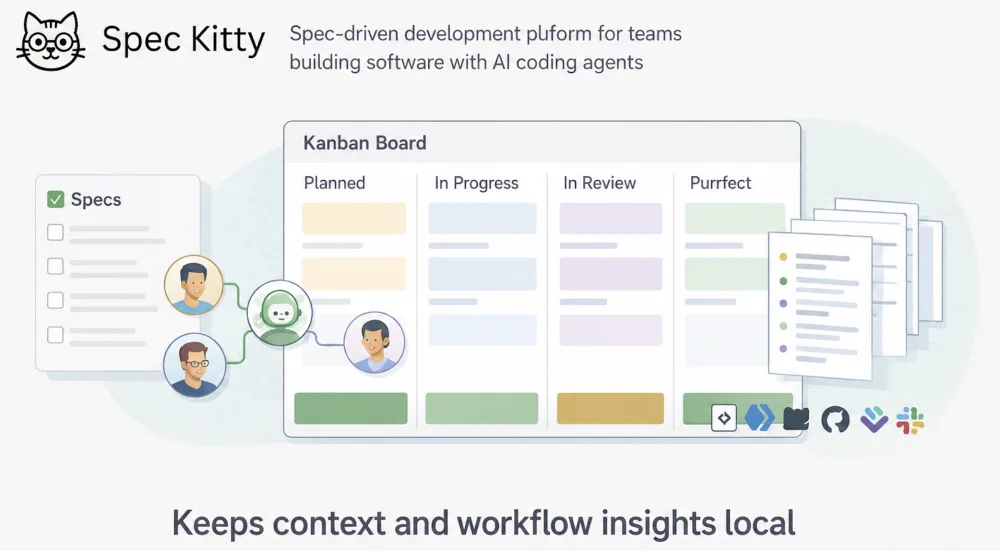
Context doesn't vanish all at once. It leaks through scattered tickets, undocumented decisions, and conversations that never make it into a durable record. Here's a six-step guide to keeping it intact.
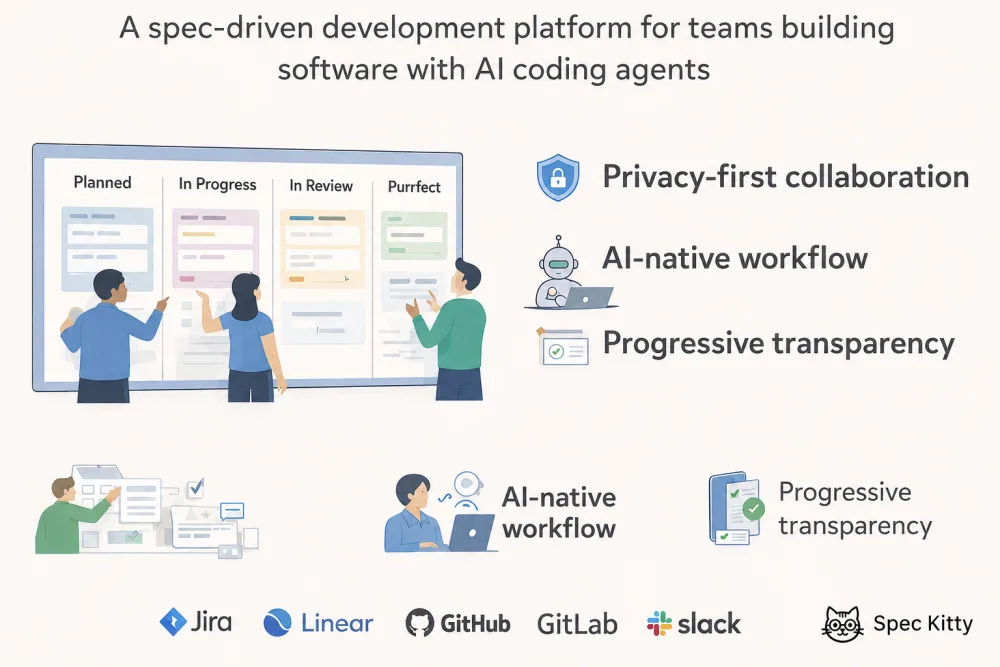
The first wave of AI coding was about clever prompts. The next wave is about structured systems that give AI agents durable context, planning, and governance.
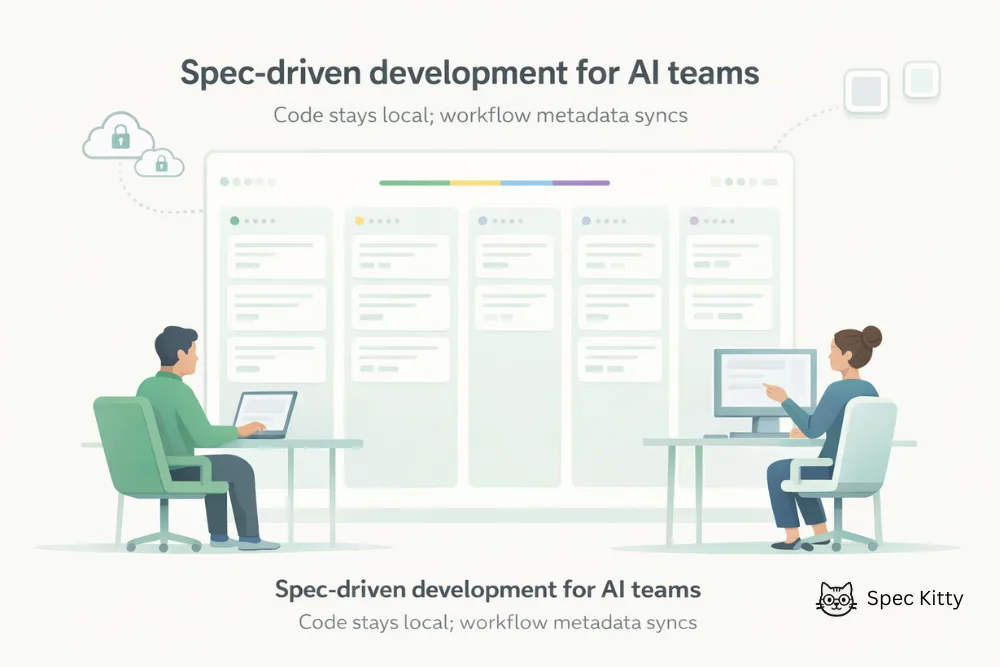
Spec-driven development is not about paperwork. It's the shift from vague prompts to durable intent—the foundation that makes AI-assisted coding reliable at team scale.
Agent Analyzer is a local-first tool that analyzes real coding activity across popular AI development tools, generating benchmark-backed recommendations and personalized optimization plugins to reduce AI coding waste.

AI moves fast — but without structured visibility and governance, CTOs lose sight of what's being built and why. Here's a six-step framework for staying informed without micromanaging.
Spec Kitty is live. Here's what it does, why we built it, and how it helps engineering teams move from scattered AI prompts to governed, spec-driven workflows.
Why spec-driven development is not about paperwork, but about locking product intent before coding agents start implementation.
If your team is re-explaining architecture rules to AI agents, arguing about prompt quality, or losing decisions to private chats—you're ready for a structured approach.
A corrected competitive matrix for teams comparing spec-driven AI development tools, with Spec Kitty positioned around governance, Teamspace, tracker sync, and project memory.
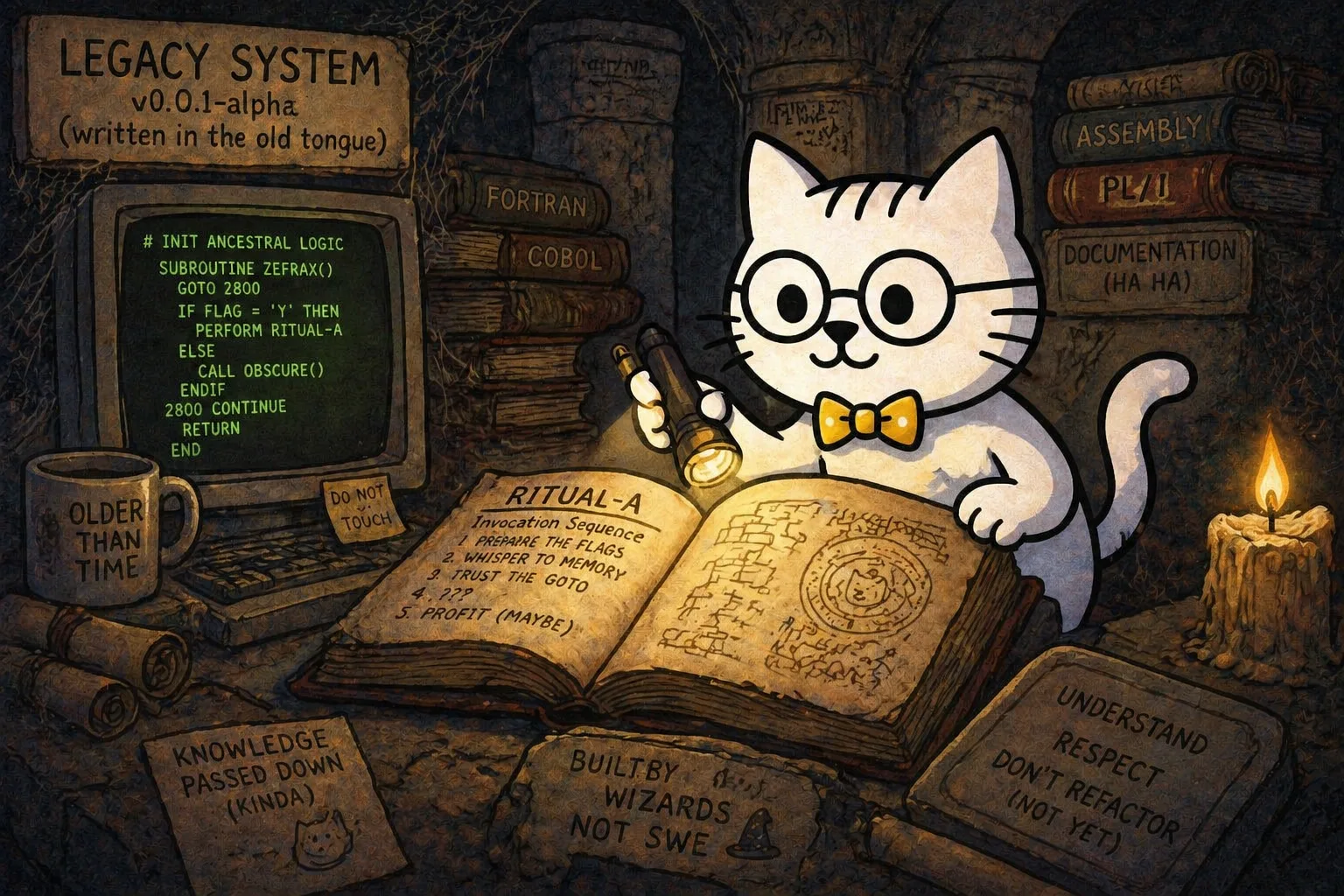
A legacy code modernization matrix for teams comparing deterministic recipe engines, AWS modernization paths, coding assistants, and Spec Kitty governance.

Why agentic coding needs more than prompts: intent, memory, governance, and fresh-context review for serious software teams.
Spec Kitty announces platform innovation led by Robert Douglass, the appointment of Jen Krieger as COO, and an ongoing marketing partnership with Strategic eMarketing.
ChatGPT boosts individual output but creates invisible costs for teams: lost context, prompt drift, and shadow work that never makes it into your system of record.
Most AI development tools impress in week one and stall in week two. Here's why context loss is the real culprit—and how structured systems fix it.
Strategic eMarketing announces its role as the embedded marketing function for Spec Kitty, driving awareness, engagement, and adoption among development teams and enterprise organizations.
Spec Kitty announces its spec-driven development platform with an intent-to-merge workflow — Specify, Plan, Task, Implement, Review, Accept, and Merge — to improve coordination in AI-assisted software delivery.
Spec Kitty announces the appointment of Jen Krieger as COO, bringing 30 years of engineering operations experience including VP Engineering Operations and Chief of Staff to the CTO at GitHub.