
From Prompts to Systems: Why AI Development Needs Structure
To ensure long-term success in AI development, transitioning from prompt-based interactions to structured systems is crucial. While initial AI endeavors may begin with simple prompts, structured workflows ensure consistency, visibility, and control across teams, ultimately facilitating seamless scaling and project management.
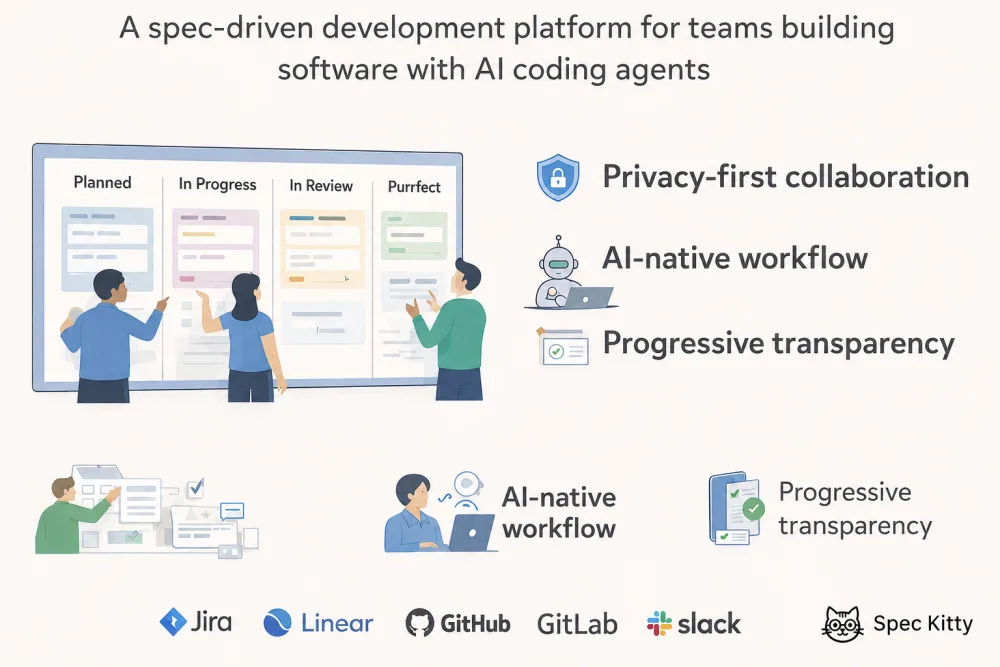
Step-by-Step Guide
- Defining Intent: Start with a clear specification of goals and constraints, providing AI systems with better context and direction.
- Breaking Down the Work: Plan and divide tasks into manageable, reviewable parts, ensuring that each segment aligns with the overall project intent.
- Implementing with Boundaries: Guide AI agents with pre-defined limits during coding to maintain consistency in outputs and adherence to initial specs.
- Conducting Structured Reviews: Regularly check AI outputs against original specifications to ensure alignment and quality.
- Maintaining Project Memory: Document decisions and context for future reference and scalability, preserving the knowledge base.
- Adapting Systems with Tools: Implement solutions like Spec Kitty to integrate specifications and workflows, enhancing existing AI tools with structured guidance.
Comparison Table
| Feature | Prompt-Based Development | System-Based Development |
|---|---|---|
| Context Preservation | Limited | Extensive |
| Output Consistency | Variable | High |
| Review Visibility | Minimal | Complete |
| Decision Documentation | Sparse | Comprehensive |
| Team Alignment | Challenging | Streamlined |
Frequently Asked Questions
What is the difference between prompt-based and system-based AI development?
Prompt-based AI development relies on individual input, while system-based development uses structured workflows for consistency and alignment.
Why are prompts insufficient for team-based AI projects?
Prompts can lose context and offer inconsistent results, making unified team collaboration difficult.
How do structured systems aid in scaling AI projects?
They provide repeatable processes for specs, implementation, and reviews, enabling effective scaling.
Can Spec Kitty integrate with existing AI tools?
Yes, Spec Kitty enhances AI tools by providing a structured workflow, improving guidance and clarity.
What are key benefits of specification-driven AI workflows?
Specification-driven workflows reduce ambiguity, align teams, and facilitate comprehensive reviews for efficient project execution.
How to Use This Guide
This guide provides a framework for AI developers transitioning from prompt-based to structured development. Utilize this to enhance workflows and improve overall project success.