
What Spec-Driven Development Actually Means for AI Teams
Spec-driven development defines the purpose, constraints, expected outcomes, and review criteria before implementation begins, providing a structured approach for AI teams. While rapid coding is possible using AI, a clearly articulated specification is essential to guide development, ensuring consistent results that align with team objectives and project requirements.
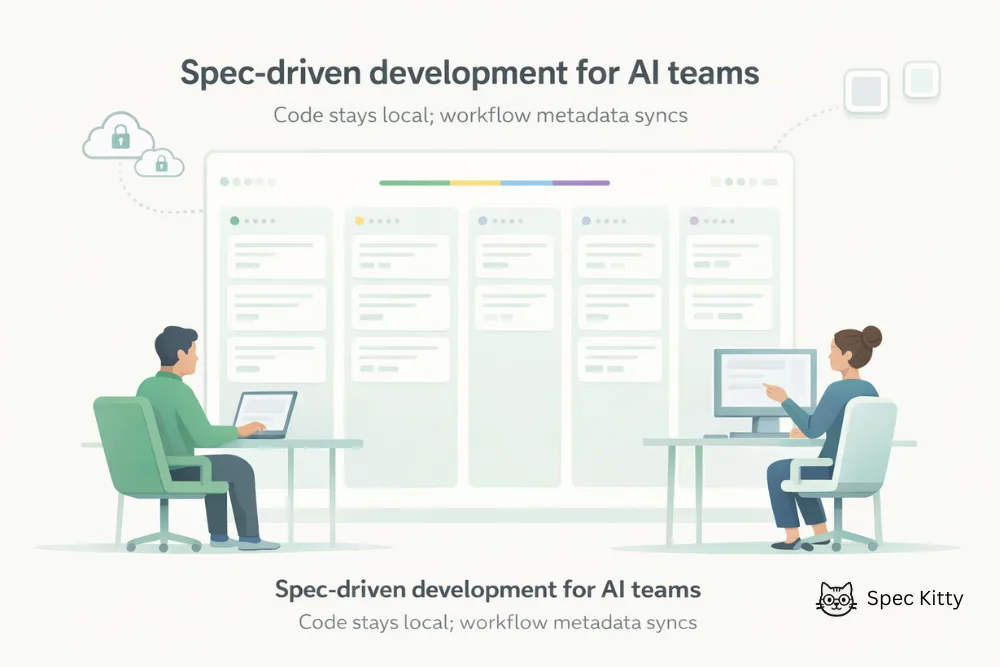
Implementing Spec-Driven Development in AI Teams
To effectively integrate spec-driven development, AI teams must adopt a structured workflow to manage the swift pace of AI coding agents. The traditional reliance on prompts often results in inconsistent outputs, whereas a well-defined specification ensures clarity and coherence across the team's efforts.
The Importance of Spec-Driven Development
A specification acts as a stable foundation for development, clarifying objectives and constraints. It answers key questions about project scope, such as what changes are necessary, the significance of those changes, and the criteria for success. This approach provides AI agents with clear guidance and offers teams a framework to evaluate progress accurately.
Why Prompts Fall Short in AI Development
Prompts have limitations; they are temporary solutions that cannot maintain consistency across sessions or developers. Specifications, conversely, provide continuity, preserving decision-making processes and offering a robust review trail. This prevents common issues like lost context and variable outputs, facilitating a more reliable AI development process.
The Role of Spec Kitty
Spec Kitty is designed to support AI teams in creating a structured development environment, transforming ideas and decisions into comprehensive specifications and plans. By defining work packages and review criteria, it ensures that AI-assisted software development is both systematic and scalable, enhancing team collaboration and productivity.
Step-by-Step Guide
- Define the project's intent comprehensively before development.
- Outline specific constraints and parameters for the AI team.
- Set expected behaviors and goals to guide AI outputs.
- Establish clear review and evaluation criteria for outcomes.
- Document the process to preserve context and facilitate reviews.
- Integrate tools like Spec Kitty to enhance workflow structure.
Comparison of Prompt Engineering vs. Spec-Driven AI Development
| Feature | Prompt Engineering | Spec-Driven AI Development |
|---|---|---|
| Purpose | Enhance single interactions | Create a shared system for team collaboration |
| Sustainability | Short-term solutions | Long-lasting framework |
| Development Consistency | Varies between developers | Standardized across the team |
| Review Process | Limited review capability | Comprehensive monitoring and evaluation |
| Adaptability | Less adaptable | Highly adaptable to changes |
Frequently Asked Questions
What defines spec-driven development?
Spec-driven development involves a detailed planning process that outlines the purpose and parameters of a software project before coding begins.
How does it benefit AI teams compared to prompt engineering?
Unlike prompt engineering, which addresses single AI interactions, spec-driven development offers a sustainable framework for team-based collaboration and review.
Why are specifications crucial for AI projects?
Specifications provide clear guidance, preventing AI from deviating in operations when context is lacking.
Does spec-driven development eliminate the need for human developers?
Not at all. It enhances the collaborative process between developers and AI by providing clear directives.
How does Spec Kitty enhance team workflows?
Spec Kitty facilitates a structured environment, transforming inputs into cohesive specifications, ensuring consistent and goal-aligned outputs.
How to Use This Guide
Follow these steps to ensure that spec-driven development successfully improves the quality of AI projects, increasing clarity and consistency throughout.